Glyph Origins

Radical ⼦ (39)

子 (U+5B50)

子¹

{子} *tsəʔ “child”

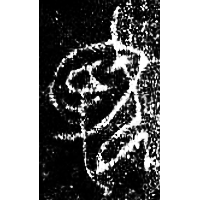
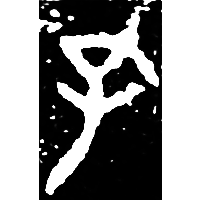
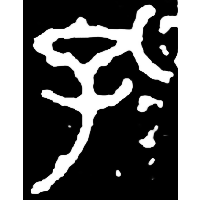
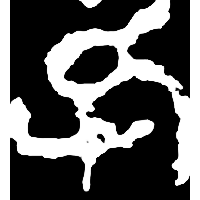
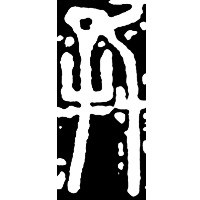
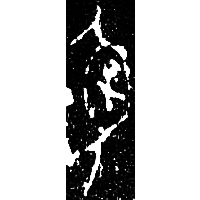
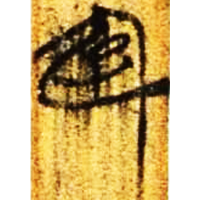
Depiction of a child with one hand pointing up and one down. Got mixed with 子² very early.

  • 張世超 2000 - 𠂤組卜辭中幾個問題引發的思考
  • 季旭昇 2014 - 說文新證 [2nd ed.] (970-971)

子²

?{胎} *C̥.lˤə “fetus” ♪→ {巳} *[sə.l]əʔ “si (6th earthly branch)”

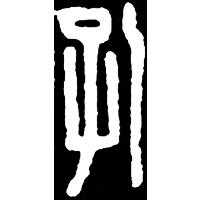
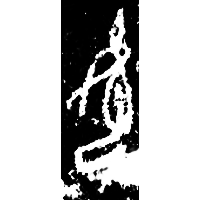
Differentiated form of 子 *TSƏ with both hands pointing up. Got mixed with 子¹ very early.

  • 張世超 2000 - 𠂤組卜辭中幾個問題引發的思考
孔 (U+5B54)

Shang
(Funü)
Late
W.Zhou
Chunqiu
(Qin)
QinQinQinQinW.HanE.HanNanbei
(N.Wei)
合22256
[乳]
集10173石鼓.汧沔陶新2634秦風170秦風212睡.日甲69背北.老176乙瑛碑元文墓誌

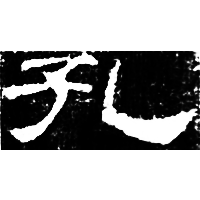
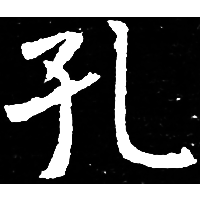
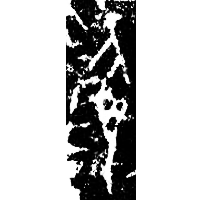
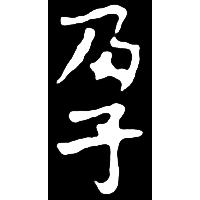
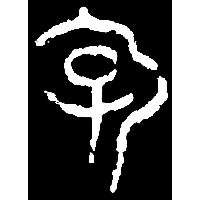
{㝅} *[k]ˤoks “to breastfeed” ♪→ {孔} *[k]ʰˤoŋʔ “hole”

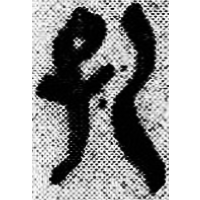
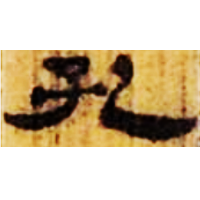
Depiction of a baby () with an open mouth turned diagonally.

  • 張富海 2017 - 說字二則

孕 (U+5B55)

Shang
(Shi)
Shang
(Shi-Bin)
Shang
(Bin)
Zhanguo
(Chu)
Zhanguo
(Qin)
Nanbei
(N.Wei)
Sui
合21071合21207英494反上三.周50吳詛楚.湫淵長孫子澤墓誌段威墓誌

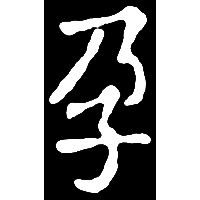
{孕} *l[i]ŋs “to be pregnant”

Depiction of a person (/) with a child () in his belly.

  • 季旭昇 2014 - 說文新證 [2nd ed.] (971)

字 (U+5B57)

{字} *[mə.dz]əs “to foster”

ROOM + ♪ *TSƏ.

  • 李學勤 (ed.) 2012 - 字源 (1279)

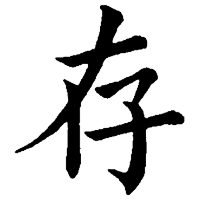
存 (U+5B58)

QinQinW.HanE.HanNanbei
(N.Wei)
Tang
陶錄6.439.3睡.問98北.老12華山廟碑南0036X五經文字

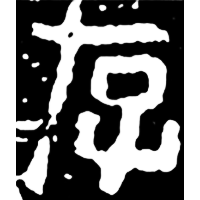
{在} *[dz]ˤəʔ “to exist” → {存} *[dz]ˤə[n] “to exist”

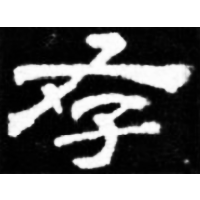
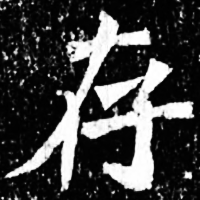
*TSƏ + ♪ *TSƏ. Later a synonymous word {存} became the main one for this glyph.

  • 王寧 2017 - 清華簡《祭公之顧命》與《逸周書・祭公》對讀一則
  • 李守奎 & 王永昌 2018 - 段玉裁古諧聲偏旁分部互用說的文字學觀察——兼論漢字中的“假形聲字”

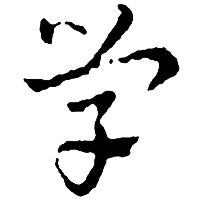
学 (U+5B66)

HanSanguo
(Wu)
Sanguo
(Wu)
Tang
敦481走四920皇象S.2672

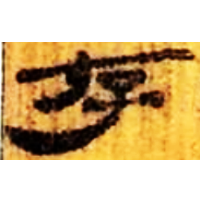
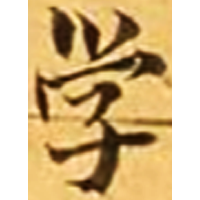
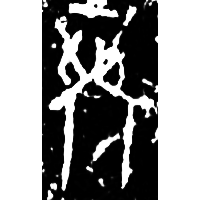
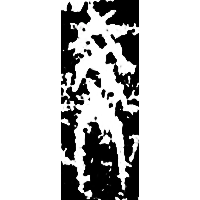
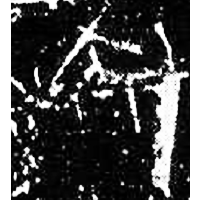
Shortening of based on the cursive form. Modern simplified form of in China and Japan.

  • Bökset R. 2021 - Long Story of Short Forms: Simplified Chinese Characters from A to Z (325)

學 (U+5B78)

Shang
(Shi)
Shang
(Bin)
Shang
(Huadong)
Shang
(Bin)
Shang
(He)
Early
W.Zhou
Late
W.Zhou
QinE.HanNanbei
(N.Wei)
合20100
[⿱𦥑宀]
合8304
[⿱爻宀]
花181
[⿳爻宀𠬞]
合3511
[⿱⿴𦥑㐅宀]
合27712
[𦥯]
集2803集4324.1睡.日乙14漢0061A南0068X

{學} *m.kˤruk “to study” & {教} *s.[k]ˤraw “to teach”

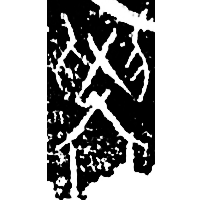
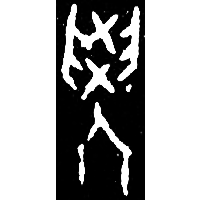
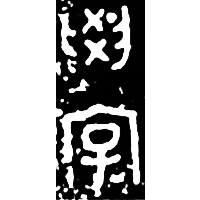
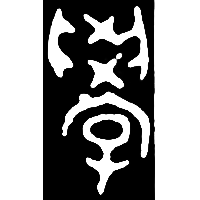
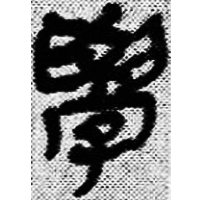
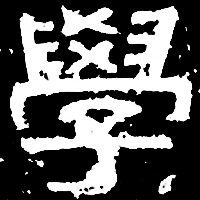
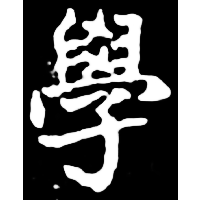
Initially the word {學} was written as ⿱𦥑宀 or ⿱宀𠬞 ( ROOM + 𦥑/𠬞 ♪*KUK (depiction of both hands holding something for {掬} *kuk “to hold with both hands”)). Later ♪/² *KAW used for {教} was added, fusing the glyphs so it could be used for both words {學} and {教}. Later CHILD was added. After the glyph was created, 學 began to be used only for {學}.

  • 季旭昇 2014 - 說文新證 [2nd ed.] (247-248)

Forms:

- Shortening based on the cursive form. Modern simplified form in China and Japan.